
Accurate Level Measurement – How to get it right
If you’re running tanks on a plant floor – whether in manufacturing, wastewater, food processing, or on a farm – knowing what’s in them matters. Too low and pumps can run dry and die. Too high and you’ll overflow, waste product, damage equipment, or cause environmental headaches. The cost of bad data isn’t just annoying – it’s expensive and risky.
That’s where level transmitters come in: sensors that tell your control system how much fluid is in the tank. But not all sensors are created equal – especially when the liquid isn’t just “clean water.”
Theory vs Reality
For easy, clean liquids (like plain water), most level technologies work fine. Even simple radar units can accurately measure level by bouncing microwaves off the liquid surface and timing the echo – they’re non-contact and very reliable in calm conditions.
But once the surface isn’t smooth – foaming, vigorous mixing, vapor, turbulence, or heavy tank agitation – that’s where trouble starts. When foam forms, it can trick sensors into thinking the liquid is higher than it actually is or even block the signal entirely.
That’s a big deal in wastewater, agitated vats, fermentation, or any process with agitation. These conditions mean the assumptions most simple sensors make, just don’t work.
How Different Level Technologies Work
Here’s how the common options stack up in real industrial environments:
Radar – Great, But Not Foolproof
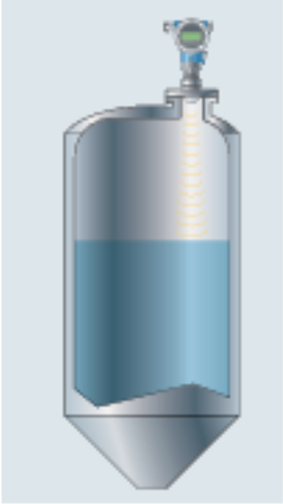
A device mounted at the top of the tank sends microwave signals down to the liquid surface and measures how long they take to bounce back. That time equals distance – and therefore level.
Advantages:
- Non-contact – nothing sits in the liquid
- Very low maintenance
- Not affected by density or conductivity
- Handles high temperature well
- Good in vapour or changing conditions.
Best suited for:
- Chemical tanks
- High-temperature processes
- Corrosive products
- Any situation where you don’t want equipment inside the tank.
Things to be aware of:
Very thick or inconsistent foam can affect readings.
Hydrostatic (Pressure) Level Management
A sensor sits at the bottom of the tank and measures the weight of the liquid above it. More liquid = more pressure. That pressure tells us the level.
Advantages:
- Not affected by foam on the surface
- Not bothered by tank shape or internal obstructions
- Simple and well-established technology
- Reliable in dirty or agitated tanks.
Best suited for:
- Wastewater and effluent tanks
- Foam heavy processes
- Tanks with mixers or internal fittings.
Things to be aware of:
It assumes the liquid density stays fairly constant. If the product gets warmer, cooler, thicker, thinner or changes composition the weight of the product changes – even if the level doesn’t and this can make the readings drift.
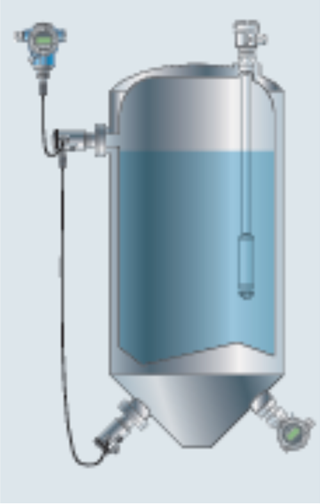
The simple solution to this is to install two pressure sensors at different heights in the liquid.
- The bottom sensor measures the total pressure (the full weight of liquid above it)
- The upper sensor measures pressure at a higher point
- They system looks at the difference between the two readings and can calculate the actual liquid density in real time. Once the density is known the system can adjust the level reading automatically.
When is it worth using two sensors:
- Product density changes regularly
- You’re dosing or blending
- Temperature swings are common
- Accuracy is critical.
Why Getting This Right Pays Off
If your plant runs on bad level data, you’ll see it in:
- Unplanned downtime from pump failure
- Product loss from overfill / spills
- Safety & environmental risk
- Higher maintenance from sensor issues or misreads
The right level solution saves time, money and risk over the life of the equipment – often many times over.
If you’re not 100% sure what type of level transmitter belongs on your tanks and vessels, let’s sort it out together. EAS has hands-on experience specifying and installing level measurement solutions that work in the messy, real world of manufacturing plants, councils, and farms.
Call us today on 07 834 0505 or email [email protected] to get a tailored solution that gives you reliable readings – every day.